







La progettazione sostenibile delle sale pulite riduce significativamente l'impronta di carbonio
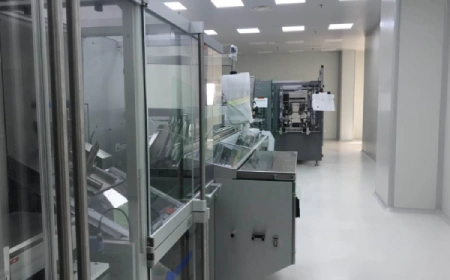
Come i moderni progetti di stanze pulite stanno ottenendo la certificazione LEED mantenendo un rigoroso controllo della contaminazione. Insights sul recupero di energia e materiali ecologici.
La progettazione sostenibile delle sale pulite riduce significativamente l'impronta di carbonio
Sustainability has become a primary focus in cleanroom construction and operation as of 2026. Historically, cleanrooms were known for excessive energy consumption due to high air change rates and continuous HVAC operation. However, new design philosophies are proving that environmental responsibility and contamination control can coexist. This article examines how green cleanroom initiatives are reducing carbon footprints without compromising regulatory standards.
Sistemi HVAC ad efficienza energetica
Heating, Ventilation, and Air Conditioning (HVAC) systems account for the majority of a cleanroom's energy usage. Modern designs utilize variable air volume (VAV) controls that adjust airflow based on real-time occupancy and particle counts. During non-production hours, air change rates are safely reduced, leading to substantial energy savings. Additionally, high-efficiency particulate air (HEPA) filters with lower pressure drops are being installed to reduce fan power consumption.
Anche i sistemi di recupero di energia stanno guadagnando trazione. Le ruote di riscaldamento e le bobine di scorrimento catturano l'energia termica dall'aria di scarico e la utilizzano per precondizionare l'aria fresca in entrata. Ciò riduce il carico sulle bobine di riscaldamento e raffreddamento. In climi temperati, questi sistemi possono ridurre il consumo energetico HVAC fino al 50%. Tali innovazioni sono fondamentali per le strutture che mirano a raggiungere lo status di zero carbonio netto.
LEED Certification for Cleanrooms
Leadership in Energy and Environmental Design (LEED) certification is increasingly sought after for cleanroom projects. Achieving LEED status requires careful selection of materials, optimization of water usage, and implementation of renewable energy sources. Solar panels installed on cleanroom rooftops can offset a significant portion of energy demand. Furthermore, using locally sourced construction materials reduces transportation emissions.
- VAV systems reduce energy usage during idle periods.
- LED lighting with motion sensors cuts electricity costs.
- Recyclable construction materials minimize waste.
Eco-Friendly Materials and Finishes
The materials used in cleanroom construction are also evolving. Wall panels and flooring made from recycled content are now available without sacrificing cleanability or durability. Low-volatile organic compound (VOC) paints and adhesives improve indoor air quality and reduce environmental impact. These materials contribute to a healthier workspace for employees and align with corporate sustainability goals.
Water Conservation Strategies
Water usage in cleanrooms, particularly for humidification and process cooling, is being optimized. Closed-loop cooling systems minimize water waste. Rainwater harvesting systems are being integrated into facility designs to supply non-process water needs. These strategies are essential in regions facing water scarcity. Efficient water management is now a key metric in cleanroom performance evaluations.
Future Trends
Looking forward, the concept of the 'Living Cleanroom' is emerging. These facilities will generate their own energy and treat their own waste. Advanced building management systems will use machine learning to optimize energy usage continuously. As regulatory pressure increases and corporate social responsibility becomes paramount, sustainable cleanroom design will transition from a niche preference to an industry standard. Organizations that prioritize sustainability will not only reduce costs but also enhance their brand reputation in a conscious market.